
Introduction:
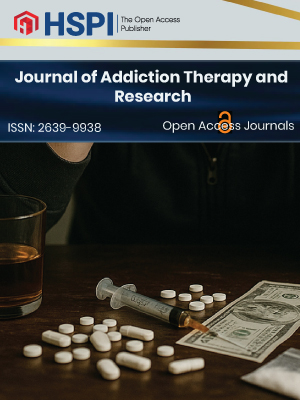
Khat chewing, a widespread practice in East Africa and the Arabian Peninsula, remains a significant public health concern, especially among vulnerable populations. A recent qualitative study explored khat use behavior and the readiness to quit among street dwellers in Addis Ababa, Ethiopia. The study sheds light on the complex interplay of addiction, socio economic factors, and psychological dependencies. Visit https://www.addictiontherjournal.com/ for more groundbreaking research in this field.
Khat Use Among Street People in Addis Ababa
The study involved 15 participants (11 males and 4 females) aged 21-35 years who have been using khat for periods ranging from 1.5 to over 7 years. Key findings include:
- Khat chewing is prevalent among both educated and uneducated individuals, transcending social and economic classes.
- Most users began chewing khat as a coping mechanism for life’s stressors and hardships.
- Despite awareness of its adverse effects, users struggle to quit due to the psychological relief khat offers.
- The average khat session lasts 3-7 hours, with cathinone providing initial euphoria followed by fatigue, anxiety, and insomnia.
- Many users also engage in poly-substance use, including alcohol, cigarettes, hashish, and even benzine to cope with withdrawal symptoms.
Social and Health Implications
According to the National Institute on Drug Abuse (NIDA), addiction often intertwines with mental health and socio-economic instability, reinforcing users’ dependency on substances like khat. Participants reported:
- Health issues such as gastrointestinal problems, dental issues, hypertension, and sleep disorders.
- Financial difficulties due to money spent on khat, leading some to theft or robbery.
- Social isolation and strained relationships with family and friends.
- Dependency on street community support, making quitting even harder due to peer influence.
Read the full study at https://doi.org/10.29328/journal.jatr.1001020
Challenges in Quitting Khat
The readiness to quit khat varied among participants:
- Some expressed a strong desire to stop but felt trapped by their current living conditions and lack of support.
- Withdrawal symptoms such as headaches, mood swings, and irritability made quitting challenging.
- Female participants reported specific struggles, including sleep difficulties without khat.
- The lack of structured rehabilitation and societal support limits successful cessation efforts.
Broader Perspectives on Khat Use
The World Health Organization (WHO) recognizes the complex nature of psychoactive substance use like khat, especially among marginalized populations. The addictive potential of cathinone, khat’s primary active component, mirrors that of amphetamines, complicating treatment and cessation efforts.
Internal Resources and Related Articles
- Explore more about addiction studies in our Addictive Behaviors category.
- Learn about psychological support strategies in our Mental Health section.
A detailed analysis can be found in our main journal article url.
Conclusion
This qualitative study highlights the multifaceted challenges street-dwelling khat users face in Addis Ababa. Although many recognize the health risks and express a desire to quit, entrenched social, economic, and psychological factors create significant barriers to cessation. Comprehensive, accessible interventions are essential to support these individuals towards recovery.
Explore more studies at https://www.addictiontherjournal.com/ and join the conversation by sharing your thoughts in the comments below!
Disclaimer: This content is generated using AI assistance and should be reviewed for accuracy and compliance before considering this article and its contents as a reference. Any mishaps or grievances raised due to the reusing of this material will not be handled by the author of this article.
 Heighten Science Publications Inc.
Leave a comment