
Introduction
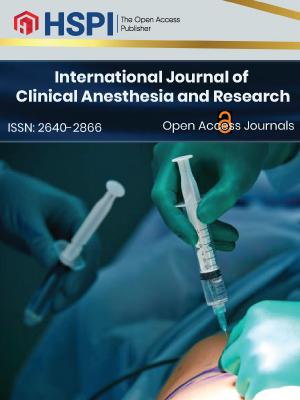
Managing anesthesia in patients with rare hematological conditions can be extremely challenging. A recently published case in the International Journal of Clinical Anesthesia Research highlights the anesthetic considerations for a lactating mother with congenital methemoglobinemia undergoing laparoscopic surgery. This condition limits the oxygen-carrying capacity of hemoglobin, posing life-threatening risks during anesthesia. Visit Anesthesia Research Journal for more groundbreaking studies in the field of anesthesiology.
Case Summary Managing a Rare Hematological Disorder
A 24-year-old lactating mother with Type 1 congenital methemoglobinemia presented with gallstone disease requiring laparoscopic cholecystectomy.
- Preoperative findings: Methemoglobin level of 26.8% confirmed via co-oximetry. Despite stable vitals, she displayed refractory hypoxemia.
- Anesthetic plan:
- Induction with propofol and fentanyl
- Intubation with atracurium
- Maintenance with oxygen and sevoflurane
- Avoidance of oxidizing agents (lidocaine, benzocaine, nitrates, etc.)
- Crisis event: At extubation, the patient experienced severe desaturation (SpO₂ dropped to 30%).
- Management: Rapid administration of intravenous methylene blue successfully restored saturation to 100%.
Read the full study at: https://doi.org/10.29328/journal.ijcar.1001031
Broader Clinical Insights
Methemoglobinemia is characterized by hemoglobin in its ferric (Fe³⁺) state, rendering it incapable of oxygen transport. While normal levels remain <2%, patients with congenital deficiencies can present with dangerous levels >20%. According to the American Society of Anesthesiologists (ASA), careful intraoperative monitoring and early recognition of oxygenation discrepancies are crucial to prevent life-threatening hypoxemic events.
The American College of Radiology (ACR) also emphasizes ensuring patient safety during diagnostic and interventional procedures, reinforcing the broader importance of careful monitoring in rare conditions.
Key Takeaways for Anesthetic Practice
- Diagnosis: Co-oximetry is the gold standard; standard ABG values may appear normal despite hypoxemia.
- Avoid: Oxidizing agents and drugs known to precipitate methemoglobinemia.
- Preparedness: Always keep methylene blue available intraoperatively.
- Monitoring: Expect “saturation gaps” between ABG and pulse oximetry readings.
- Backup plans: Consider exchange transfusion or hyperbaric oxygen therapy if refractory to standard treatment.
A detailed analysis can be found in our main journal article.
Conclusion
This case underscores the critical importance of vigilance and preparedness in anesthetic management when dealing with congenital methemoglobinemia. The patient was successfully managed with methylene blue and discharged in stable condition.
For more in-depth anesthesia case studies and clinical insights, visit Anesthesia Research Journal and explore the growing collection of rare case reports in the field.
Call-to-Action
Explore more studies at https://www.anesthesiaresjournal.com/ and join the conversation by sharing your thoughts in the comments below
Disclaimer: This content is generated using AI assistance and should be reviewed for accuracy and compliance before considering this article and its contents as a reference. Any mishaps or grievances raised due to the reusing of this material will not be handled by the author of this article.
 Heighten Science Publications Inc.
Leave a comment